Using technology to improve efficiency
Slicker is also continually looking for ways to improve service delivery and operational efficiency.
As part of its continuous improvement programme, Slicker has installed tank telemetry on used-oil storage tanks at several Midlands Truck & Van locations. The technology provides real-time visibility of tank levels and automatically alerts Slicker when a tank is approaching capacity. This enables collections to be proactively scheduled before tanks become full, helping to reduce the risk of spills and ensuring waste is collected when required.
Telemetry also helps make collections more efficient. By scheduling collections when tanks are nearing capacity, unnecessary or premature journeys can be reduced. This helps lower associated transport costs while also reducing the carbon emissions linked to waste collection.
Delivering Value for Planet
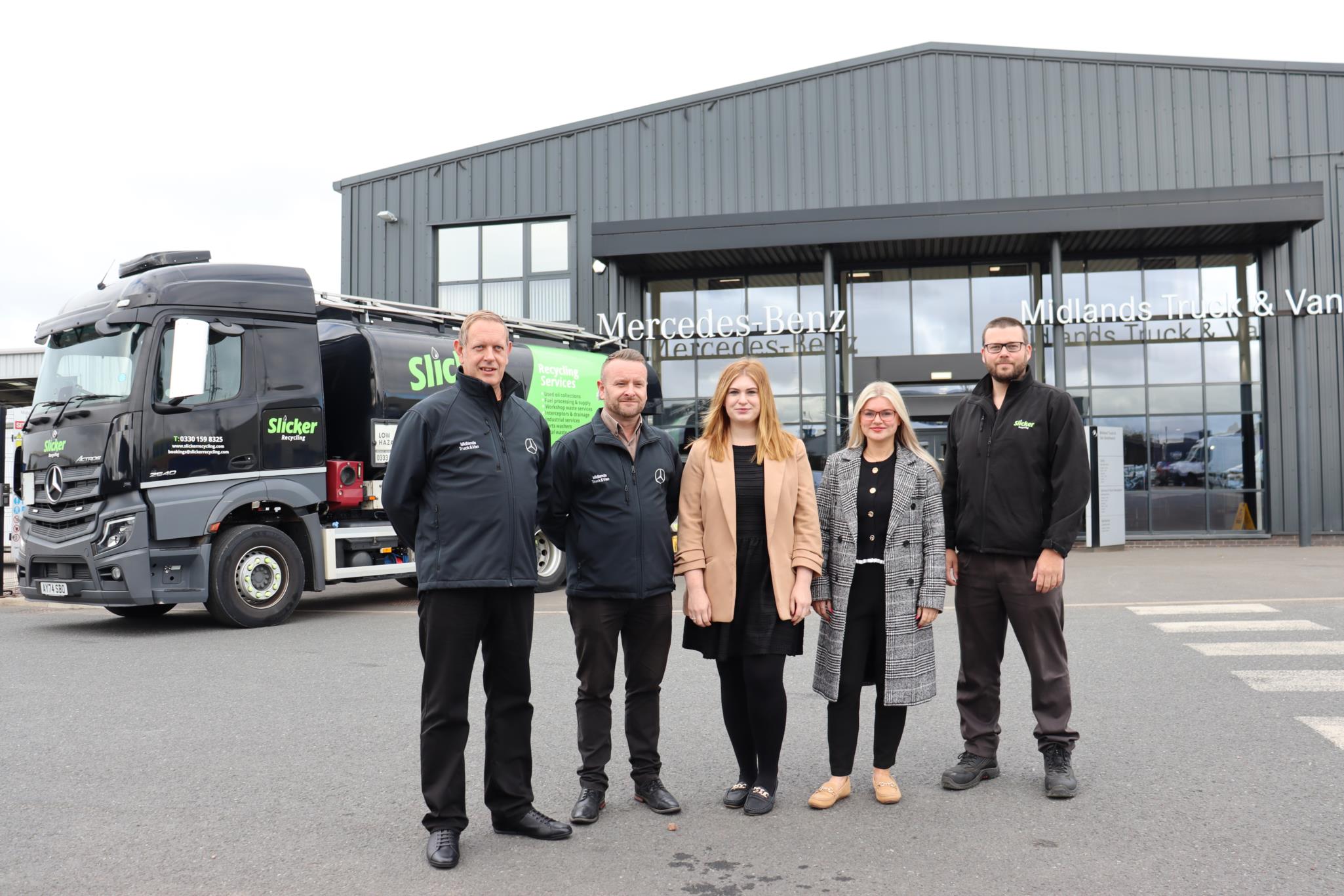
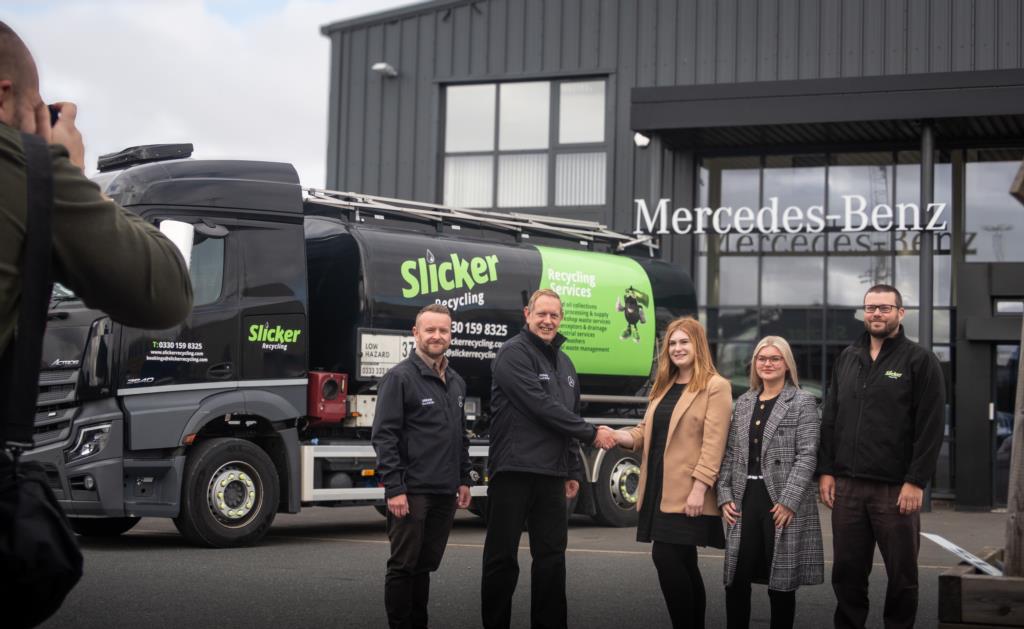
Through its partnership with Slicker Recycling, Midlands Truck & Van is taking a practical approach to improving the sustainability of its waste management operations. From re-refining used oil and recovering valuable materials to using telemetry to optimise collections, the partnership is helping the business reduce carbon emissions, improve operational efficiency and manage resources more responsibly.
For Midlands Truck & Van, sustainability is not simply about managing waste – it is about finding practical, measurable ways to deliver environmental and commercial value across the business.
“Through our partnership with Slicker Recycling, we have established an effective solution for our waste management. At Midlands Truck & Van, we are committed to minimising our environmental impact wherever possible. Thanks to Slicker Recycling’s support, we have achieved significant carbon savings, whilst driving greater waste efficiencies across the Group.”
James Falconer, Head of Health & Safety, Midlands Truck & Van
“Slicker’s Account Management team have been instrumental in implementing efficiencies across the Group. They have an excellent understanding of our business requirements and, through our strong working relationship, we are continuously looking at new ways to drive further environmental efficiencies whilst delivering operational cost savings.”